

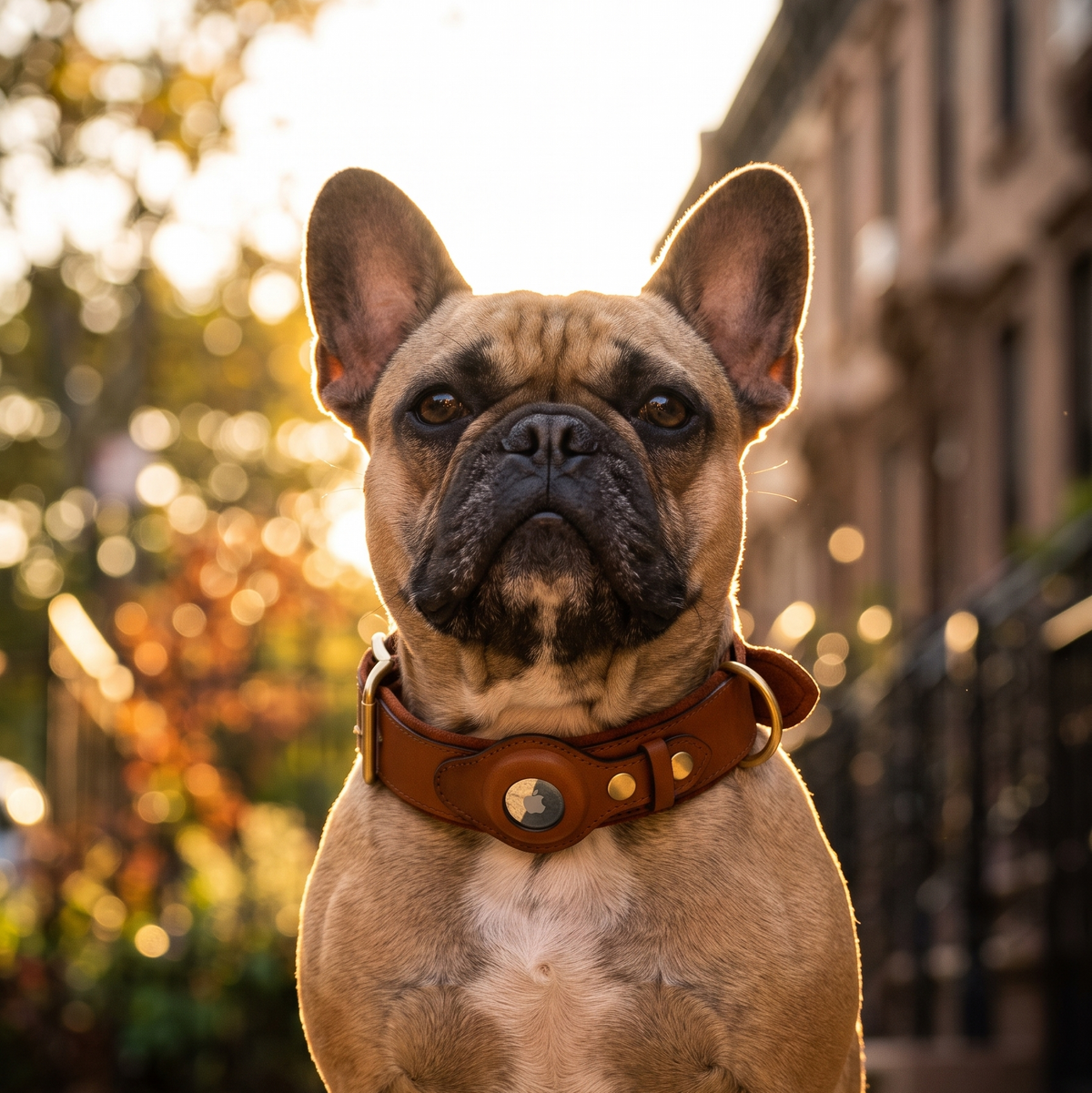
Every dog owner deals with it sooner or later: you have to leave the house, and your dog stays home alone. But how long can you leave a dog home alone without causing it stress? And how do you teach a puppy or adult dog that being alone is nothing to worry about? In this article you'll find out exactly how to approach this step by step, which signs of separation anxiety to watch for, and which training schedule to start with.
How long can a dog be home alone?
There's no fixed number of hours that applies to every dog. How long your dog can stay home alone depends on age, breed, personality, and how much training they've already had. As a rule of thumb:
- Puppies (8-12 weeks): maximum 30-60 minutes
- Puppies (3-6 months): 1 to 3 hours
- Adult dogs (1-7 years): maximum 4 to 6 hours, if properly built up
- Senior dogs (7+ years): often shorter due to bladder control and joints
Leaving a dog alone for longer than 6 to 8 hours at a stretch is discouraged for almost every dog, regardless of age or training. In that case, consider a dog walking service, daycare, or a neighbor who can check in.
Training schedule by age and breed
Leaving a dog home alone is something you train step by step, just like house training or crate training. Never jump straight to hours alone: start small and build up calmly.
Training schedule for puppies
- Week 1: 1-5 minutes alone in another room, several times a day
- Week 2: 10-20 minutes, with a short walk or playtime beforehand
- Week 3-4: 30-60 minutes, slowly extending if the puppy stays calm
- From 6 months: gradually build up to 2-4 hours
Training schedule for adult dogs (new at home or restarting training)
- Start with 15-30 minutes and observe the behavior via a camera or from the other side of the door
- Extend by 15-30 minutes after each successful session
- Only build up further once your dog stays relaxed, doesn't bark, and doesn't damage anything
Differences by breed
Some breeds are naturally more affectionate and more prone to separation anxiety, such as the Border Collie, Labrador Retriever, Vizsla, and many small companion breeds. More independent breeds like the Shiba Inu or Basenji can generally handle being alone a bit more easily, but they need training too. Breed is an indication, not a guarantee: each dog's individual personality matters most.
Recognizing signs of separation anxiety
Before extending the time further, it's important to know whether your dog experiences stress when left alone. Watch for these signs:
- Excessive barking, whining, or howling as soon as you leave
- Chewed-up doors, door frames, or furniture
- Urinating or defecating indoors, even though your dog is otherwise house-trained
- Excessive drooling, panting, or pacing
- Injuring themselves trying to escape a crate or scratching at a door
- Extremely excited or exhausted behavior as soon as you return
Do you recognize several of these signs? Then there's a good chance your dog is dealing with separation anxiety. In that case, take a step back in the training schedule and build up more slowly. For persistent, severe symptoms, it's wise to consult a behaviorist or veterinarian.
9 tips to teach your dog to be home alone
- Always build up calmly. Never jump from 10 minutes to 3 hours.
- Let your dog burn off energy first. A walk or play session beforehand results in a more relaxed dog.
- Make leaving and arriving boring. No dramatic goodbyes or overly enthusiastic greetings, this prevents unnecessary tension.
- Use a fixed spot. A crate, bed, or dog room provides structure and safety.
- Give them a chew toy or snuffle mat. This keeps your dog occupied and has a calming effect.
- Provide background noise. A radio or TV at low volume can muffle outside sounds.
- Test briefly with a camera first. This shows you exactly how your dog behaves without you.
- Be consistent. Repeat the training daily, including on weekends.
- Consider daycare or a pet sitter for long workdays, especially for puppies and dogs with separation anxiety.
What if your dog really can't be alone?
For persistent separation anxiety, it helps to go back to basics: extremely short sessions of a few seconds to minutes, combined with positive associations like a tasty treat. A behaviorist can work with a tailored step-by-step plan. Avoid punishment: this only increases fear, never reduces it.
Frequently asked questions
How long can a puppy stay home alone?
A puppy aged 8 to 12 weeks can usually be alone for a maximum of 30 to 60 minutes. This is related to bladder control, which isn't fully developed until around 4 to 6 months.
Is it bad to leave a dog alone all day?
Yes, leaving a dog alone for an entire workday (8+ hours) without a break is discouraged. In that case, arrange a dog walking service, daycare, or neighbor to break up the day.
How do I recognize separation anxiety in my dog?
Watch for excessive barking, whining, indoor accidents, chewed-up belongings, and extreme restlessness when leaving or returning. These are the main signs of separation anxiety.
Does a chew toy help with alone-time stress?
Yes, a chew toy or snuffle mat can provide distraction and calming during alone time, especially combined with calm, gradual training.
At what age can a dog be alone the longest?
Adult dogs between 1 and 7 years old can generally be alone the longest, if well trained: up to about 4 to 6 hours. Puppies and seniors need shorter intervals.
In conclusion
Leaving your dog home alone doesn't have to be a stressful experience, for either of you, if you build it up calmly and step by step. Start small, recognize the signs of separation anxiety in time, and stay consistent in your approach. That way, your dog grows into a confident companion who waits for you with peace of mind until you return.


Leave a comment
This site is protected by hCaptcha and the hCaptcha Privacy Policy and Terms of Service apply.